


Tips to Work Smoothly with Your Custom Home Builder
Building a custom home is an exciting journey, but it can also be challenging without proper planning and communication. Working closely with a custom home builder ensures that your vision becomes a reality while avoiding common misunderstandings or delays. Establishing clear expectations, maintaining open communication, and understanding the construction process are essential steps in building a positive relationship with your builder. By preparing thoroughly and staying engaged throughout the project, you can enjoy a smoother, more organized home-building experience. Whether it’s choosing materials, discussing timelines, or coordinating with subcontractors, knowing how to work effectively with a custom home builder can save time, reduce stress, and result in a home that truly reflects your style and needs.

Establish Clear Communication Channels
Clear and consistent communication is the cornerstone of a successful partnership with a custom home builder. From the outset, define the preferred methods of communication, whether via phone, email, or in-person meetings. This ensures that both parties can share updates, questions, or concerns efficiently. Regular communication helps prevent misunderstandings about project timelines, materials, design choices, and budget expectations. For instance, discussing updates on construction progress or unexpected delays promptly allows for swift decision-making. Additionally, maintaining a detailed record of communications, including meeting notes, emails, and agreements, provides a reference point for both the homeowner and builder. This level of clarity not only fosters trust but also helps avoid costly mistakes. By prioritizing communication, homeowners can stay informed, builders can operate efficiently, and both can work collaboratively toward completing the project smoothly. Establishing clear communication channels sets the tone for a professional and organized home-building experience.
Define Your Budget Clearly
Establishing a well-defined budget is crucial when working with a custom home builder. Knowing how much you are willing to invest in your project helps the builder suggest suitable design options, materials, and construction methods. Clear budgeting also minimizes surprises, as both parties can align expectations regarding the scope of work and associated costs. It is essential to include a contingency fund for unforeseen expenses, such as unexpected material price changes or minor design adjustments. Discussing budget priorities early on allows the builder to focus resources on features that matter most, whether it’s high-end finishes, energy-efficient systems, or specific architectural details. A transparent budget encourages trust, helps prevent delays caused by financial constraints, and ensures that the project stays on track. Homeowners who provide a clear financial framework empower their custom home builder to plan and execute effectively while avoiding compromises that could impact quality or timelines.
Research and Select the Right Builder
Choosing the right custom home builder is one of the most important decisions in the home-building process. It is essential to conduct thorough research, review portfolios, and verify credentials before committing. Look for builders with experience in the type of home you want and a strong reputation for quality and reliability. Visiting completed projects and speaking with past clients provides valuable insights into their work style, attention to detail, and ability to meet deadlines. Understanding the builder’s approach to project management, subcontractor coordination, and material sourcing helps ensure compatibility with your expectations. Selecting the right builder also involves confirming licenses, insurance coverage, and adherence to local construction codes. Investing time in researching and choosing a qualified builder minimizes potential problems, builds confidence, and sets a strong foundation for a collaborative relationship. When the builder aligns with your vision and standards, the construction process is smoother, more predictable, and ultimately more rewarding.
Set Realistic Timelines
Working with a custom home builder requires setting realistic timelines for each phase of construction. Understanding that building a custom home involves multiple stages, including design, permitting, foundation work, framing, and finishing, helps manage expectations. Unrealistic deadlines can create stress for both the homeowner and builder, potentially leading to rushed decisions or compromised quality. By consulting your builder about the estimated duration of each phase and potential delays, you can create a timeline that is achievable and flexible. Communicate openly about key milestones and desired move-in dates, and be prepared for adjustments due to weather, material availability, or unforeseen challenges. A well-planned timeline allows for proper coordination of subcontractors, inspection schedules, and deliveries. It also helps maintain transparency and keeps the project on track. Homeowners who work with their custom home builder to establish reasonable schedules foster a smoother construction process and reduce frustration while ensuring quality results are achieved within a practical timeframe.
Prioritize Design Preferences Early
Communicating your design preferences clearly from the beginning is vital for a successful collaboration with a custom home builder. This includes architectural style, interior layouts, material choices, and finishing touches. By prioritizing what is most important to you early in the process, the builder can plan accordingly and provide guidance on feasibility, costs, and alternatives. Early decisions on design elements help avoid costly mid-construction changes that can delay timelines and increase expenses. Using visual aids such as sketches, photos, or design boards allows your builder to better understand your vision. Discussing your lifestyle needs, such as storage requirements, workspace areas, or energy efficiency preferences, ensures the home functions as intended. A custom home builder who understands your priorities can anticipate potential challenges and offer practical solutions while maintaining design integrity. Clear communication about design preferences fosters a collaborative atmosphere, aligns expectations, and ensures the final home reflects your personal taste and functional needs.
Maintain Documentation
Keeping thorough documentation throughout the building process is essential when working with a custom home builder. Records should include contracts, change orders, receipts, emails, and meeting notes. This provides a clear reference for timelines, budget adjustments, and material selections, helping prevent misunderstandings. Documenting every decision ensures accountability for both parties and makes it easier to track progress or resolve disputes. For example, if there is a disagreement about a change in design or cost, written records provide clarity and proof of agreed-upon terms. Maintaining documentation also allows homeowners to monitor budget adherence and construction quality. Organizing these records in a systematic way, such as digital folders or a project binder, facilitates quick access whenever needed. A well-documented process supports smooth communication, transparency, and efficient project management. Homeowners who maintain thorough records empower their custom home builder to execute the project more effectively while minimizing errors, misunderstandings, and delays. Proper documentation is a simple yet powerful tool for achieving a seamless construction experience.
Understand Material Choices
Familiarity with material options is important when working with a custom home builder. From flooring and countertops to roofing and fixtures, the choices you make can impact the overall cost, durability, and aesthetic of your home. Discuss material availability, maintenance requirements, and long-term performance with your builder to ensure informed decisions. Understanding the differences between high-end finishes, standard selections, and energy-efficient options helps manage expectations and budget allocation. Your builder can provide professional advice on which materials work best for your climate, lifestyle, and desired home design. Being proactive in researching materials reduces the likelihood of last-minute substitutions and ensures the project aligns with your vision. Clear communication about material preferences also prevents misunderstandings and helps the builder source supplies efficiently. Homeowners who take the time to understand material options create a more collaborative relationship with their custom home builder, resulting in a finished home that meets both functional and aesthetic goals while staying on budget.
Stay Involved Throughout Construction
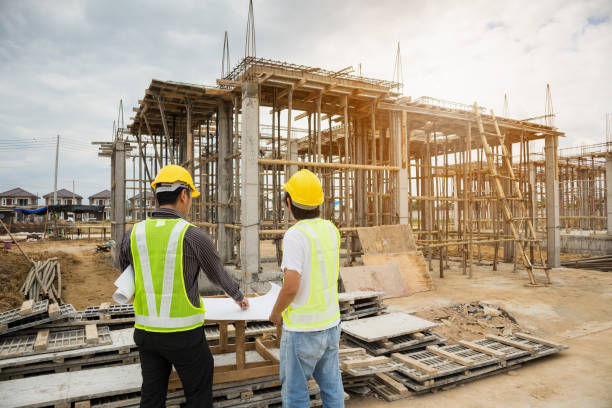
Remaining engaged during the construction process is essential when working with a custom home builder. While it is not necessary to oversee every detail, periodic site visits and progress check-ins allow homeowners to address questions, provide feedback, and monitor timelines. Active involvement fosters better communication, ensures design expectations are being met, and helps identify potential issues early. Your builder can provide regular updates on completed phases, upcoming work, and any challenges encountered. Staying involved also allows you to make timely decisions on minor changes without delaying the project. Maintaining a balance between trust in your builder’s expertise and active participation helps prevent misunderstandings, promotes efficiency, and enhances overall satisfaction with the construction process. A collaborative approach ensures that both the homeowner and custom home builder remain aligned, resulting in a smooth and well-executed home-building experience.
Address Changes Promptly
Changes are inevitable during a custom home construction project, but addressing them promptly is key to minimizing disruptions. Communicate any desired modifications with your custom home builder as soon as possible, providing detailed explanations to ensure clarity. Whether it involves design tweaks, material swaps, or timeline adjustments, prompt communication allows the builder to assess feasibility and cost implications before work progresses further. Delayed notifications can result in wasted materials, extended timelines, and increased expenses. Your builder can offer guidance on how to implement changes efficiently while maintaining overall project quality. Maintaining open dialogue regarding adjustments fosters trust and demonstrates a collaborative mindset. By proactively managing changes, homeowners ensure that the construction process remains organized, predictable, and aligned with their vision. Early action on modifications reduces stress, maintains budget control, and keeps the project on schedule while ensuring that the final home reflects the homeowner’s expectations.
Foster a Collaborative Relationship
A positive and collaborative relationship with your custom home builder is essential for a smooth home-building experience. Treating your builder as a partner rather than simply a contractor encourages open communication, mutual respect, and shared problem-solving. Be transparent about priorities, expectations, and constraints, and listen to professional advice when challenges arise. Building trust allows your builder to execute the project efficiently, make informed decisions, and handle unexpected issues effectively. Regular check-ins, constructive feedback, and acknowledgment of progress help maintain morale and reinforce teamwork. A strong working relationship minimizes misunderstandings, reduces stress, and contributes to a better overall experience for both parties. Homeowners who prioritize collaboration create an environment where their vision is respected, timelines are maintained, and high-quality results are achieved. By fostering a cooperative partnership, you ensure that your dream home is completed successfully and reflects both your personal style and practical requirements.
Conclusion
Working effectively with a custom home builder is essential for turning your dream home into reality. Clear communication, defined budgets, involvement in the process, understanding material choices, and maintaining documentation all contribute to a smoother, more organized construction experience. Addressing changes promptly and fostering a collaborative relationship ensures that your home is completed efficiently, on schedule, and to your specifications. For homeowners in Prescott, AZ, seeking a trusted partner in building their dream home, Capistrano Homes offers professional expertise, personalized service, and a commitment to quality craftsmanship. Contact us today at 928-237-0152 to discuss your project, schedule a consultation, and experience a stress-free custom home-building journey with a team that values your vision every step of the way.

Nice article with helpful details. I came across Vulcan Hats Construction while exploring toronto home renovation and found their services worth checking out.